

Comedy helps us sail through the endless sea of emotions we face in life.

Video: The Last Laugh CNN - May 17, 2026
There is something about late night talk shows that brings reality into perspective with a touch of humor and often with a lot of class. I record then watch Kimmel and Colbert the following day as time permits.
I will miss Colbert's monologue and his take on current events. I have one friend who says she gets her political news watching these two guys .. you know the two men who Trump wanted off the air - success with one, but so far, not the other. I also record weekly shows hosted by Jon Stewart and by Bill Maher.
Monday: "The Worst of the Late Show"
Tuesday: Jon Stewart, Steven Spielberg, David Byrne
Wednesday: Bruce Springsteen, Stephen takes the "Colbert Questionert"
Thursday: Stephen's final guest remains unknown, but many viewers are speculating it will be his first guest, George Clooney.
"Decision Strike" is a fictional movie invented by George Clooney during his appearance on The Late Show with Stephen Colbert's debut on September 9, 2015. In this made-up, "tough" action movie, Clooney jokingly cast himself as the Secretary General of the U.N. to showcase a fake movie trailer.
Musk wants SpaceX to go public. Here's how it works
Learning physics can derail some students: New research shows the best way to keep them on track
Data centers are driving up power bills - a new study looks at how bad it could get
Amazon Is Shutting Down Support for Older Kindles Soon. Here's How You Can Save Yours
Sustainable chemistry: Iron substitutes for metals in catalytic reactions
Data centers are driving up power bills - a new study looks at how bad it could get

Most people don't know what they don't know, but think they do
I relate to that article because humanity as a construct is created for emotions not intellect - which is one of the reasons I appreciate AI as it continues to download knowledge alongside human evolution.
There are people out there called "know-it-alls" who profess to have all the answers. That is silly. Answers are programmed to lead to more questions ... as on we go trying to solve the biggest mystery of all - who we are and why we are here.
I blog a lot about simulation theory - but at the end of the day - no one has the ability to understand and interpret how the simulation was created and works - humans simply weren't programmed with that information or else they wouldn't continue to play the games of emotion they were created for.
Simulation theory is something my brain (computer) was programmed to know and remember - followed by watching the flow of ongoing events which allow me to know information given to me by extraterrestrials - or whomever - on a UFO in 1954 is accurate. Luckily, others have been programmed to that end with whatever they do with that knowledge.
I would have loved to have been a scientist, but was created and programmed as a teacher. I don't feel that humans today, myself included, understand even the most fundamental facts about reality and how it works. What I do know is the understanding that we are a simulated construct helps explain many of the unanswered questions and behaviors that face humanity today.
Simulation theory gives humanity a glimpse into its creation but is too complex - by the very nature of its design - to be understood beyond human parameters. To date even AI has not been programmed to understand simulation theory, but that's just a matter of ''time' and timing.
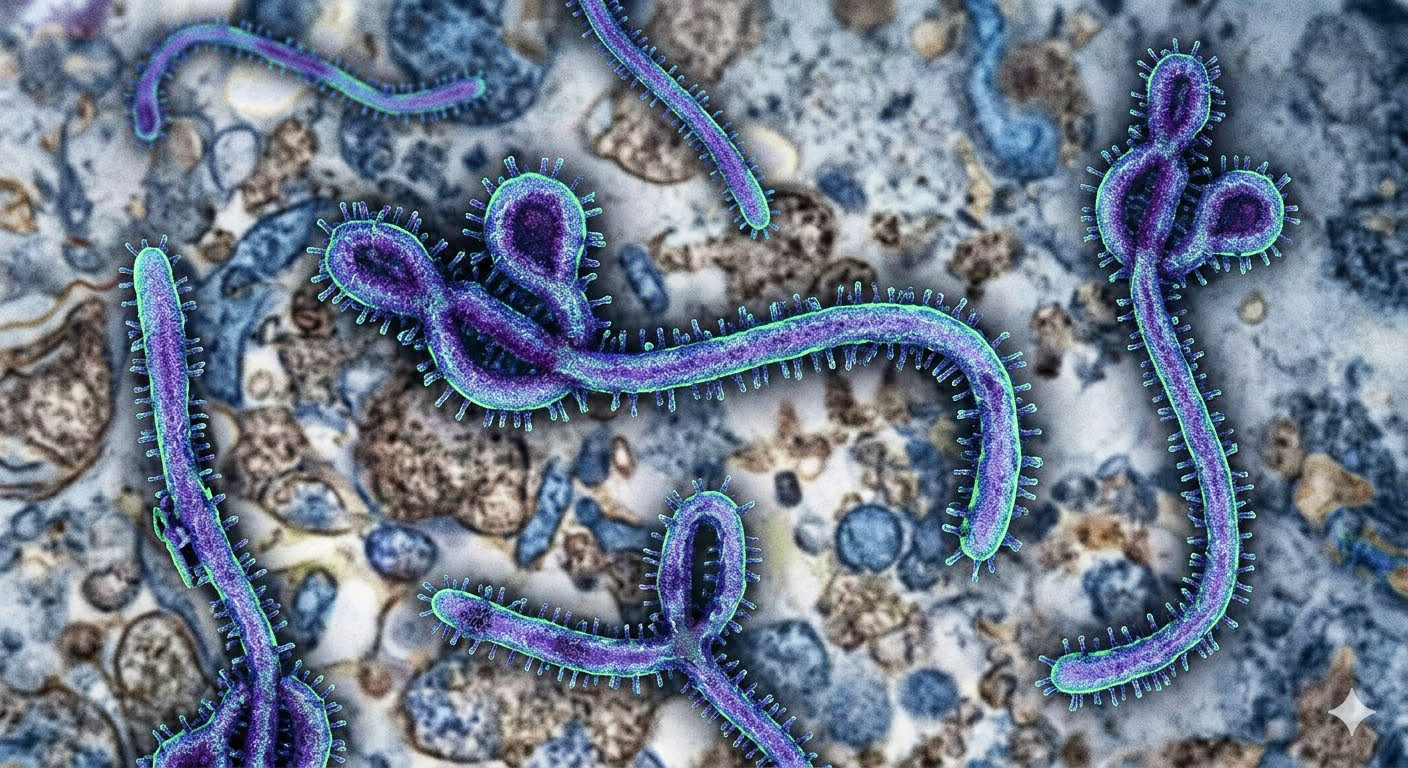
Deadly Ebola Outbreak Declared Global Emergency as Cases Spread in Africa
The journey of humanity is sculpted by challenges and healing. When I first read about Ebola - I thought it was a plague that would take out much of humanity as End Times unfold. Then along came COVID-19 and its variants, so I thought I was wrong and yet fast-moving Ebola always seems to resurface whether ignored by the public or taken seriously.
Ebola first surfaced in 1976 during two simultaneous outbreaks in Nzara, Sudan, and Yambuku, Democratic Republic of Congo (formerly Zaire). The virus was identified near the Ebola River, which ultimately gave the disease its name. Since that discovery, Ebola has appeared sporadically across parts of Africa, sometimes erupting into deadly outbreaks that remind the world how vulnerable humanity remains to emerging viruses.
The 2014-2016 West African outbreak was the moment Ebola truly captured global attention. The scale, speed, and devastating mortality rate transformed it from what many viewed as a distant regional crisis into a frightening glimpse of what a future pandemic could look like. For many of us, that outbreak was a warning - a realization that in an interconnected world, no disease remains isolated for long.
While Covid spread globally with extraordinary ease, Ebola evokes a different kind of fear because of its extreme lethality and the haunting imagery associated with its outbreaks. It stands as a reminder that nature continues to evolve alongside humanity, and that future pandemics may emerge in forms we are not fully prepared to face.
Today we also face Hantavirus, the return of Measles - old, new, and as yet undiscovered pathogens as the human narrative exists in a reality of challenges and healing - a pattern that repeats until the end of time.
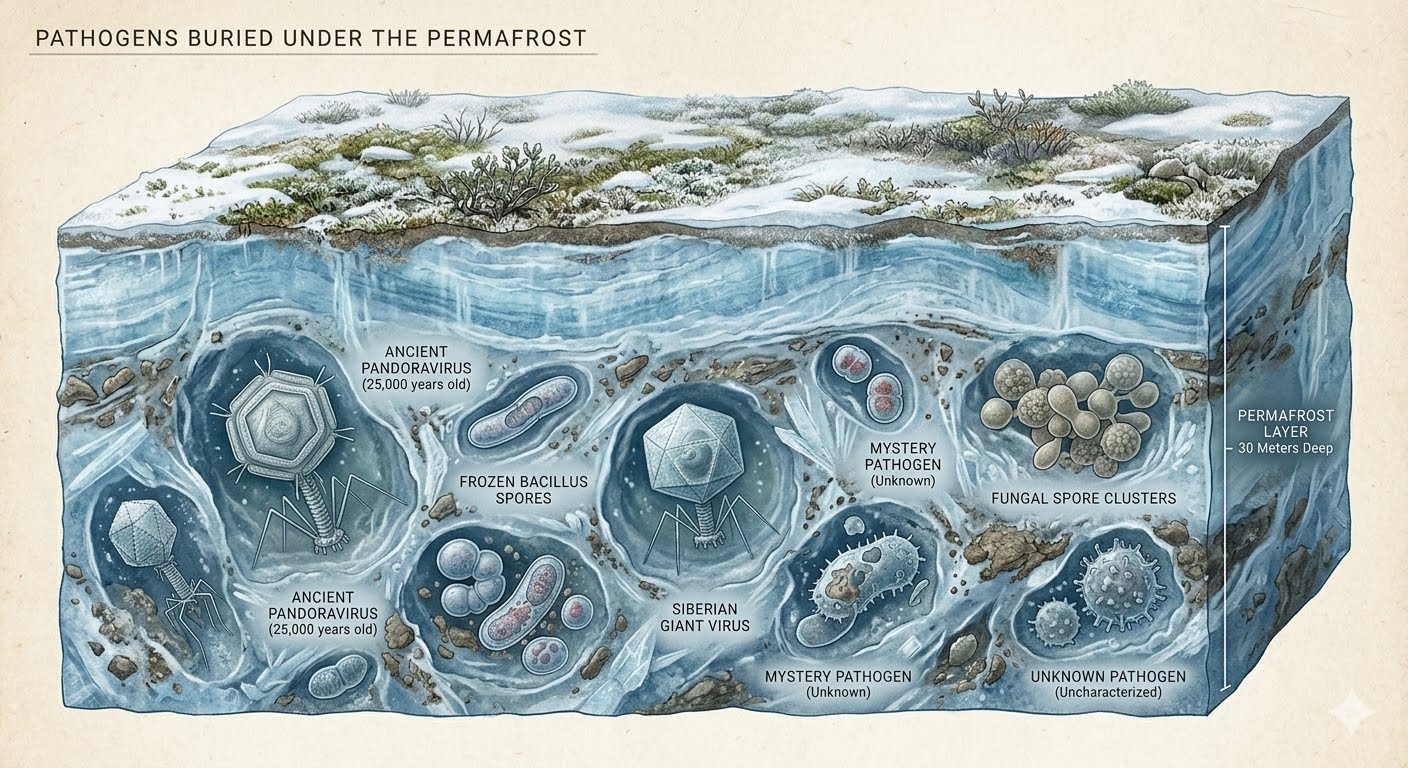
Other pathogens that caught my attention were the reemergence of microorganisms that have long been buried under the permafrost. Thawing Arctic and Antarctic permafrost acts as a literal time capsule. It preserves ancient bacteria and giant viruses that have been dormant for millennia that modern immune systems and current medical science has never encountered.
As I read and post about awakened ancient pathogens - it makes me wonder if they were linked to unknown extinction level events in Earth's History.
Were they of extraterrestrial origins - such as something that fell to Earth from space - or did they have a connection to extraterrestrial visitations in Earth's history? I really don't think there's enough time left to answer these questions - nor is information shared by ET's going to fill in the gaps.
As deep-sea temperatures rise, and deep-sea mining and commercial dredging disrupts ancient ocean floors, we risk exposing ecosystems and humanity to completely novel biological agents.
During periods of uncertainty, people tend to look for reassurance that public health decisions are grounded in science, transparency, preparedness, and clear communication. This often is not the case to the extent they seek answers outside of western medicine.
Also worrying is RFK as Secretary of Health and Human Services because of his long history of controversial statements regarding vaccines, public health policy, and scientific consensus. Supporters see him as someone challenging entrenched systems, while critics worry that skepticism toward established medical science could undermine public trust during future health crises.

Let's not forget about AI as both positive and negative in the fields of medicine and scientific research. It's not by accident that AI is part of today's programming to figure things out. There are no accidents. Everything is pre-programmed for experience.

A measles outbreak crossed into Mexico from Texas. A larger tragedy followed
Latest Ebola outbreak an emergency of international concern, WHO declares
Scientists Gave People Wings in VR, And It Triggered Changes in The Brain
New Brain 'Bypass' Technology Could Transform Treatment for Neurological Disorders
Plant believed extinct for 60 years suddenly reappears
Antarctic sea ice enters shocking decline as ocean heat breaks through
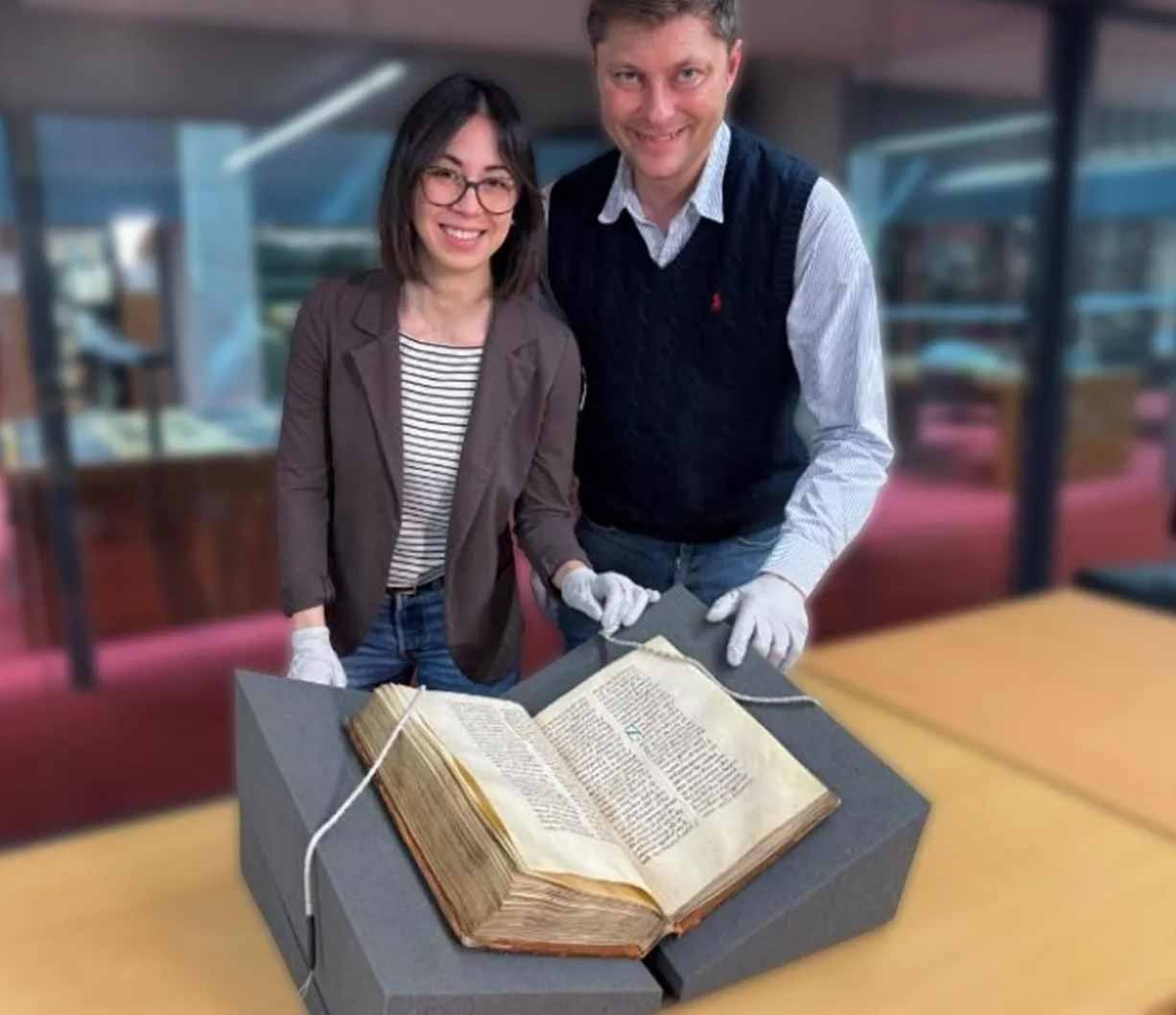
Giant Last Titan” Dinosaur Discovered in Thailand Was Bigger Than 9 Elephants


Jewelry for the Consciously Minded



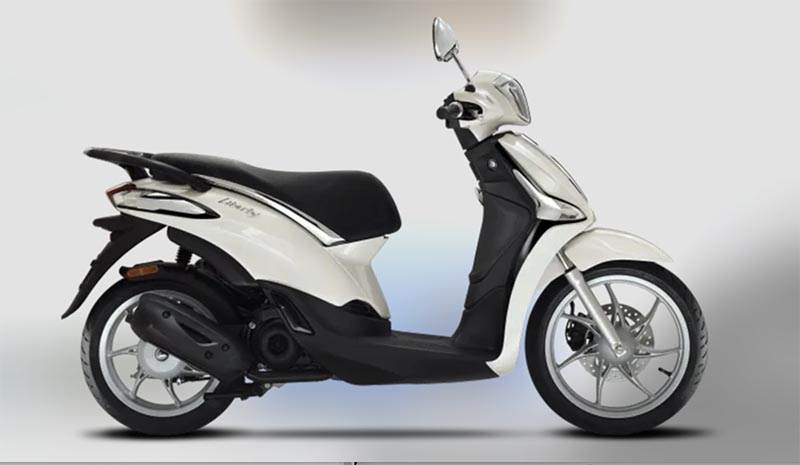
Vespa, Piaggio, Moto Guzzi, Aprilia
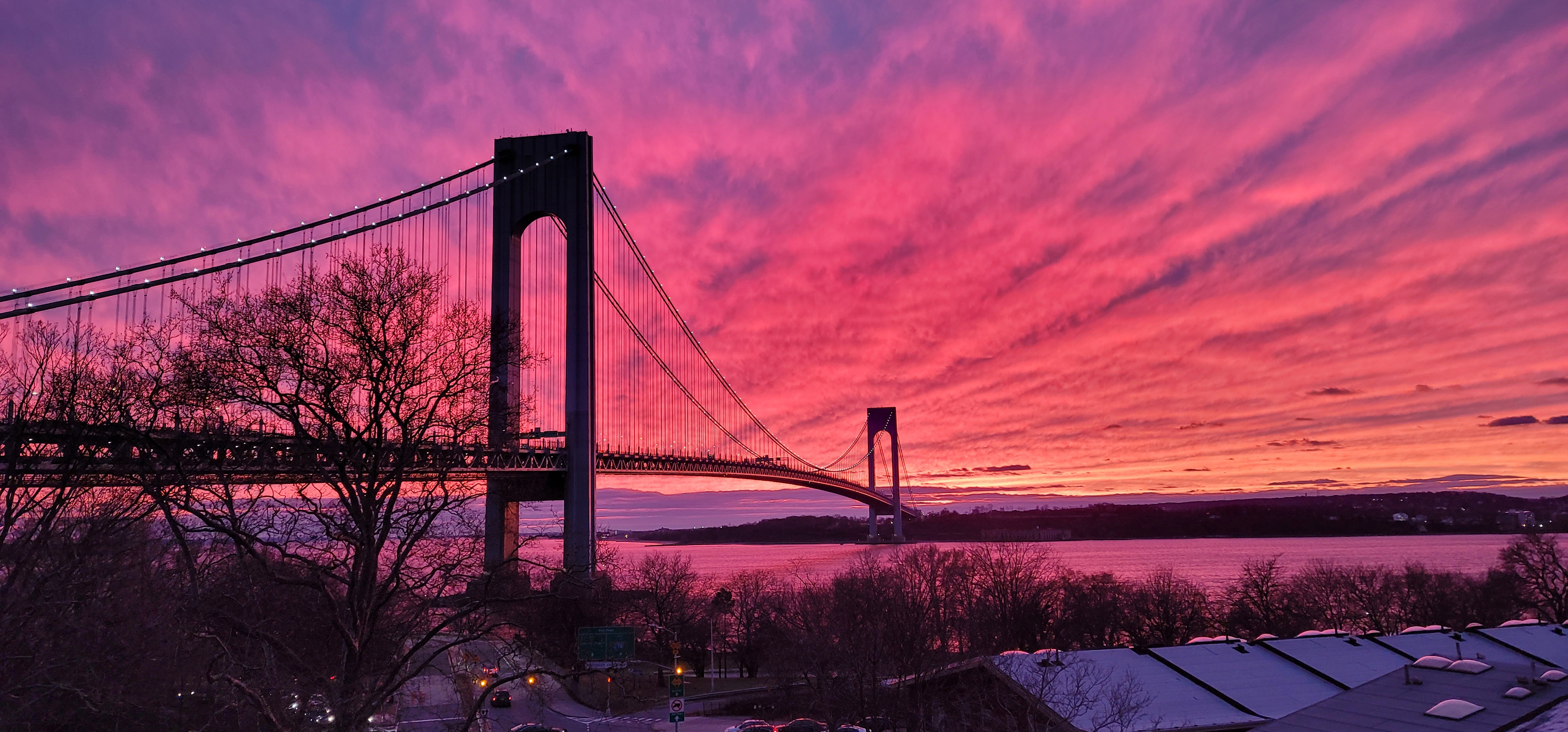
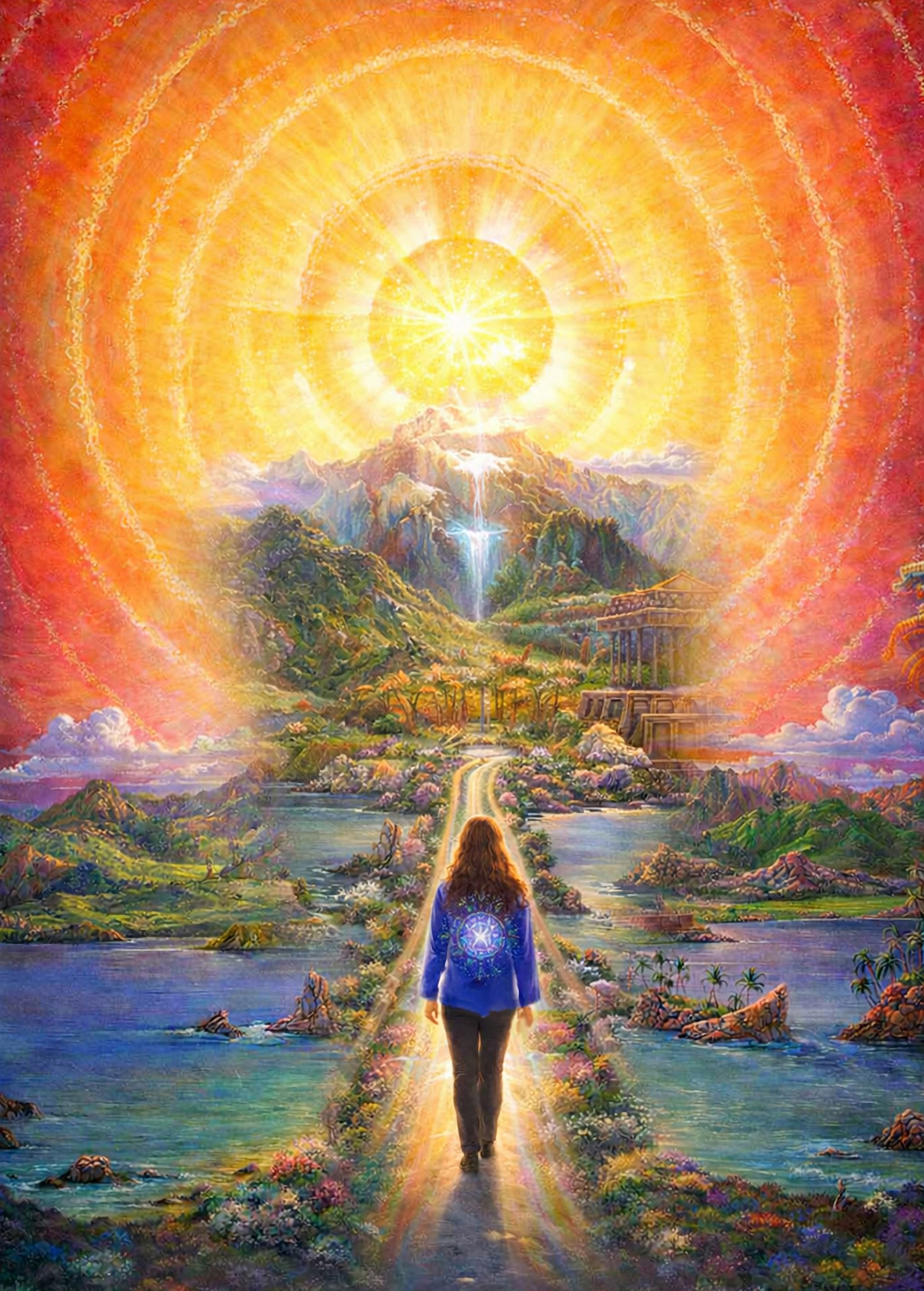
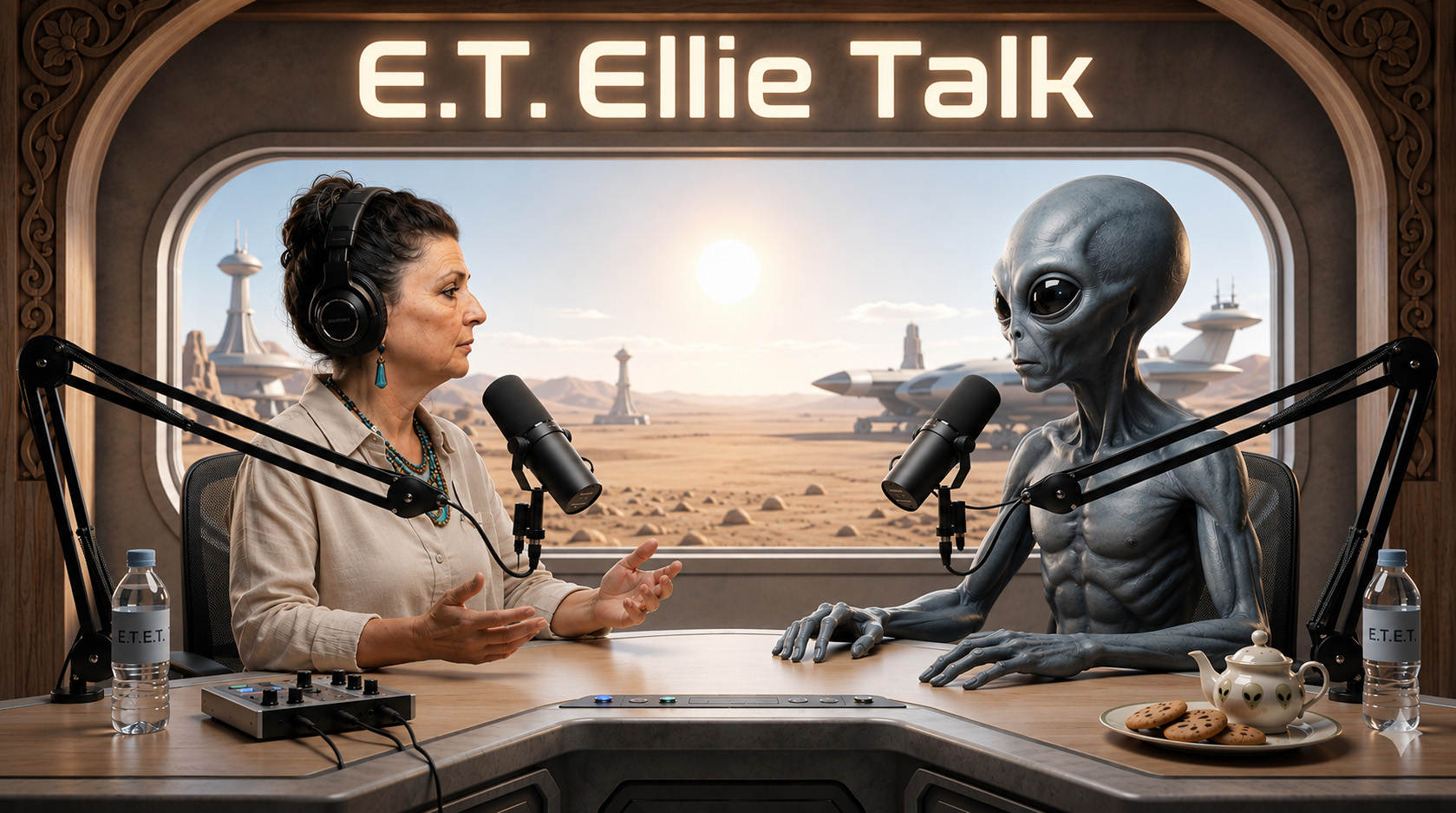
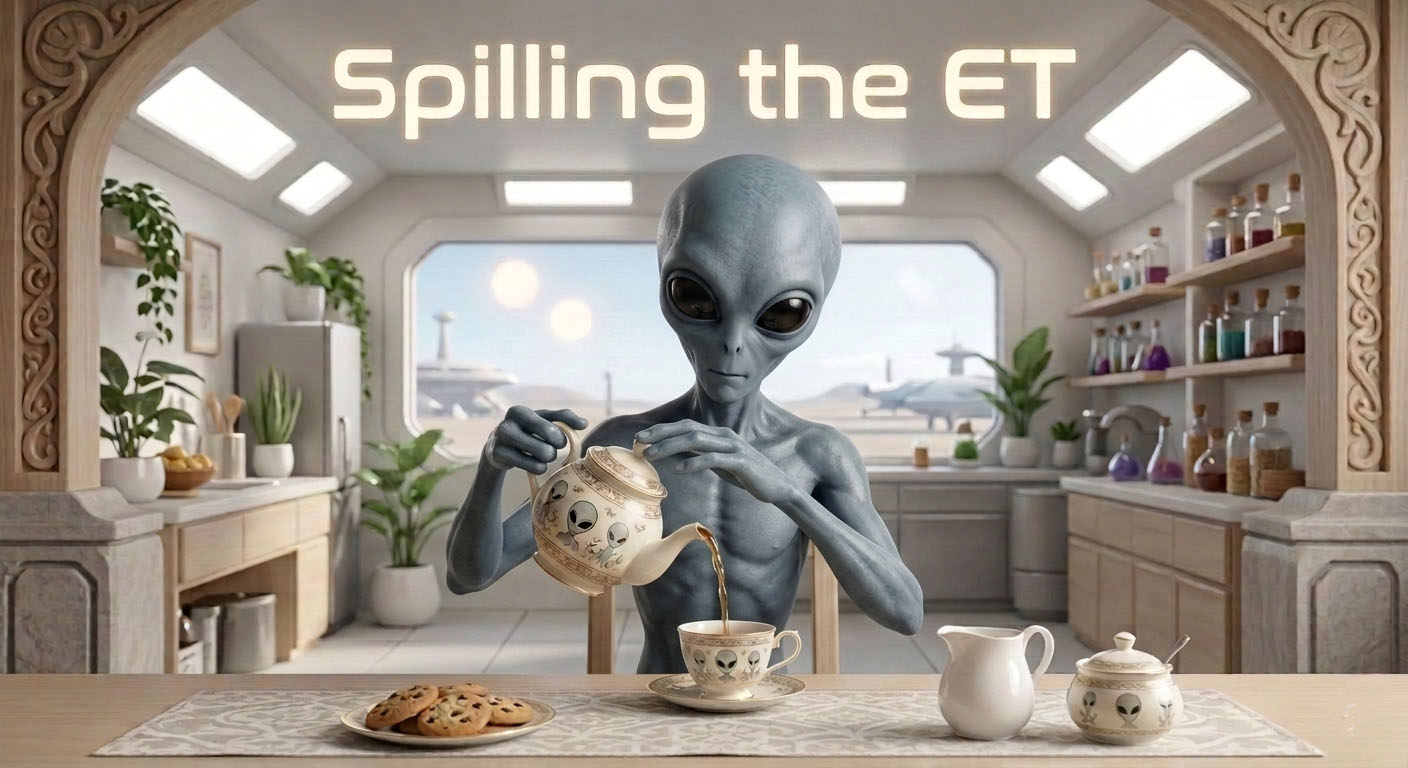
E.T. Ellie Talk - Spilling the ET
Extraterrestrial and UFO Files

Climate Change
Preparing for the Summer of 2026
Graduation, Careers, AI in 2026

David Weitzman's work harnesses the power of spiritual symbols and sacred geometry to bring those wearing them health, happiness, vitality, abundance, and above all - love. It is based on Sacred Geometry, Kabbalah, Astrology, Buddhism, and more.
Disclaimer: All images were originally found in public domain, were created by the author, or were AI generated, and are protected under US copyright.