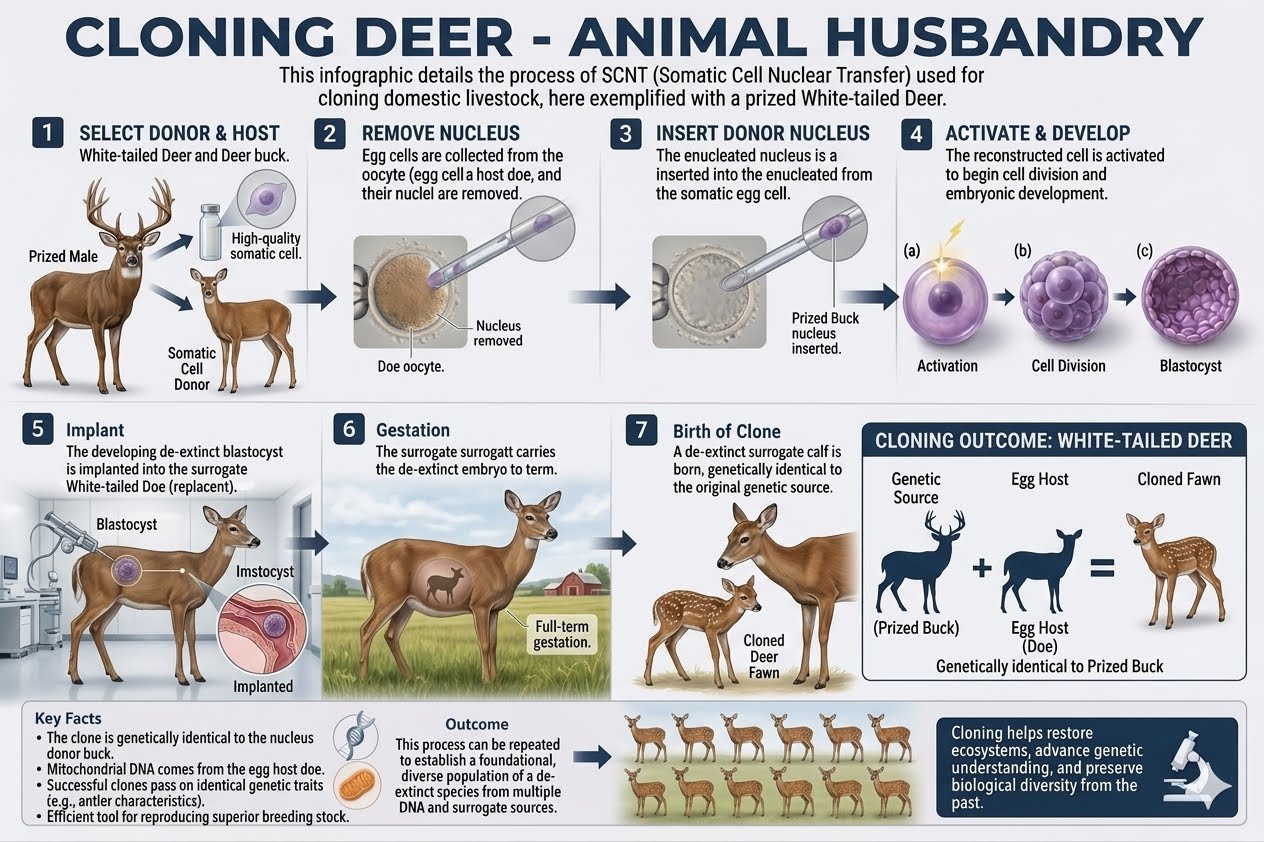
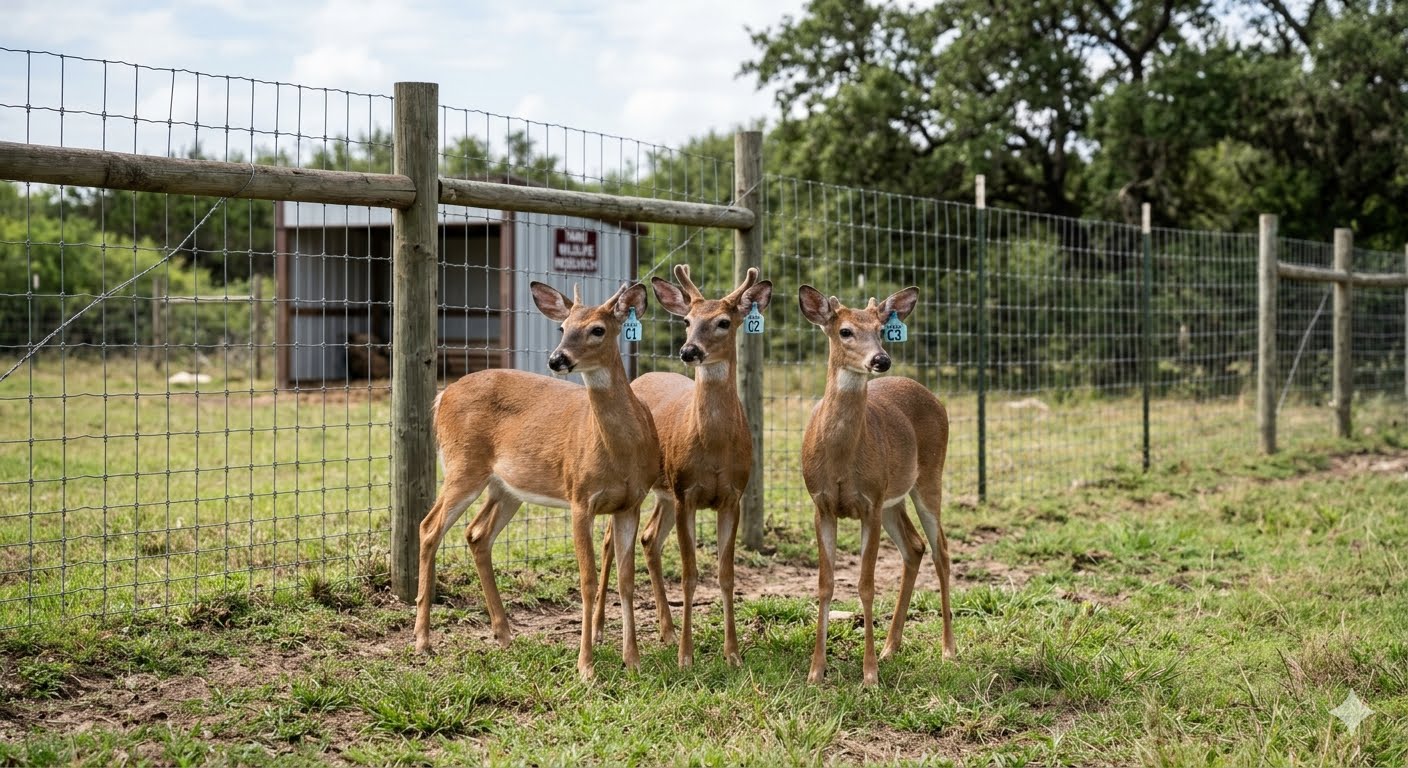
Deer cloning is a highly specialized field of biotechnology that intersects wildlife conservation, commercial game breeding, and intense ethical debate. What began as an academic milestone has evolved into a controversial tool used to replicate prized genetic traits, such as massive antler growth. While proponents view it as a path to preserving threatened species and elevating animal husbandry, critics argue it compromises hunting ethics and pushes the boundaries of domesticating wild animals.
First Success: A white-tailed deer named Dewey became the world's first successfully cloned deer on May 23, 2003. (See below)
The Researchers: He was created by scientists at the Texas A&M University College of Veterinary Medicine.
The Method: Scientists utilized Somatic Cell Nuclear Transfer (SCNT). They took skin samples from a deceased, prized buck, isolated the cells, and transferred the DNA into an empty oocyte from a female doe.
Normal Development: Dewey proved that cloned deer could live long, healthy lives, eventually growing massive antlers and fathering normal offspring.
Commercial Motivation: The "Trophy Buck" EconomyIn regions like Texas, deer breeding for private hunting ranches is a multi-billion-dollar industry. This immense financial market rapidly drove cloning from a laboratory curiosity into a commercial enterprise:
Replicating Elite Genetics: Breeders use cloning to replicate "trophy bucks" with exceptionally large, multi-point antler racks.
High Market Value: Commercial operations have cloned elite deer to sell copies, with clones commanding prices from $50,000 for white-tailed deer to $75,000 for mule deer.
Replicating "Blue Hens": Instead of just cloning bucks, breeders also clone exceptional female does to build a genetically superior foundation herd for selective breeding.
Ecological and Conservation ApplicationsBeyond the hunting market, researchers view deer cloning as a critical asset for ecological preservation:
Genetic Lifelines: Cloning provides a tool to rescue genetic diversity from the brink of extinction. Scientists target highly endangered subspecies, such as the Key West deer of Florida, to expand their limited gene pools.
Disease Research: Scientists use genetically identical deer to study devastating wildlife illnesses like Chronic Wasting Disease (CWD). Having genetically identical subjects helps researchers precisely understand how certain diseases progress without genetic variables skewing the data.
Embryo Movement: Cloning allows breeders to move elite genetics across regions by transferring embryos rather than physically transporting live animals, which minimizes the risk of spreading infectious diseases between herds.
Ethics and Legal RoadblocksThe commercialization of deer cloning has triggered significant pushback from wildlife agencies, bioethicists, and traditional hunters:
Fair Chase Violations: Major hunting organizations, such as the Boone and Crockett Club, completely exclude cloned deer from their record books, stating that genetic manipulation violates the core ethics of a "fair chase".The "Frankendeer" Debate: Critics argue that treating wildlife like engineered livestock strips away the wild nature of the animals.
Legal Crackdowns: Science has consistently outpaced legislation. However, some regulatory bodies have stepped in; for example, Texas explicitly banned the practice of cloning white-tailed deer commercially in 2020 due to regulatory and disease transmission concerns.
December 23, 2003 - Reuters
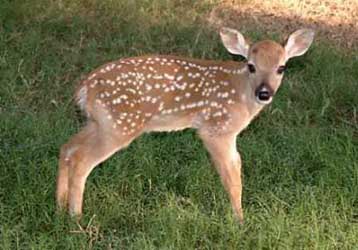
Scientists at Texas A&M University have produced what they believe is the first cloned deer, the school says. Tests have confirmed that a fawn named Dewey born to a surrogate mother in May was a genetic duplicate of a male white-tailed deer from southern Texas whose skin samples were used in the cloning process, the school said.
Photos posted on the Texas A&M Internet site Monday showed the little gray deer standing in a patch of grass. "Dewey is developing normally for a fawn his age and appears healthy," said Dr. Mark Westhusin, who was lead investigator on the project. Even though white-tailed deer are abundant in the wild, Westhusin said in a statement the creation of Dewey could prove helpful in preserving endangered species such as the Key West deer of Florida. Texas A&M, located in College Station, Texas 90 miles northwest of Houston, said it was the first academic institution to have cloned five different species. Its scientists have also cloned cattle, goats, pigs and a cat, the school said.