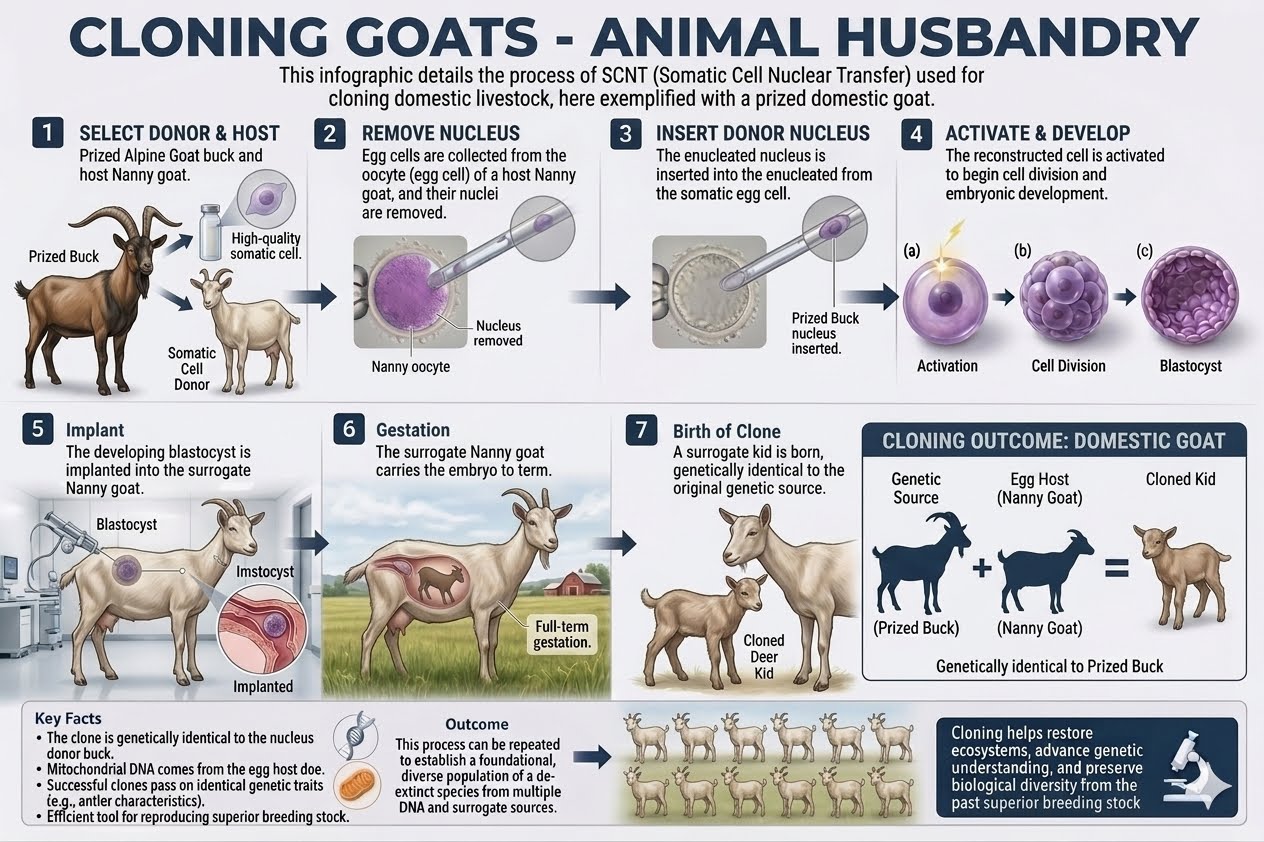
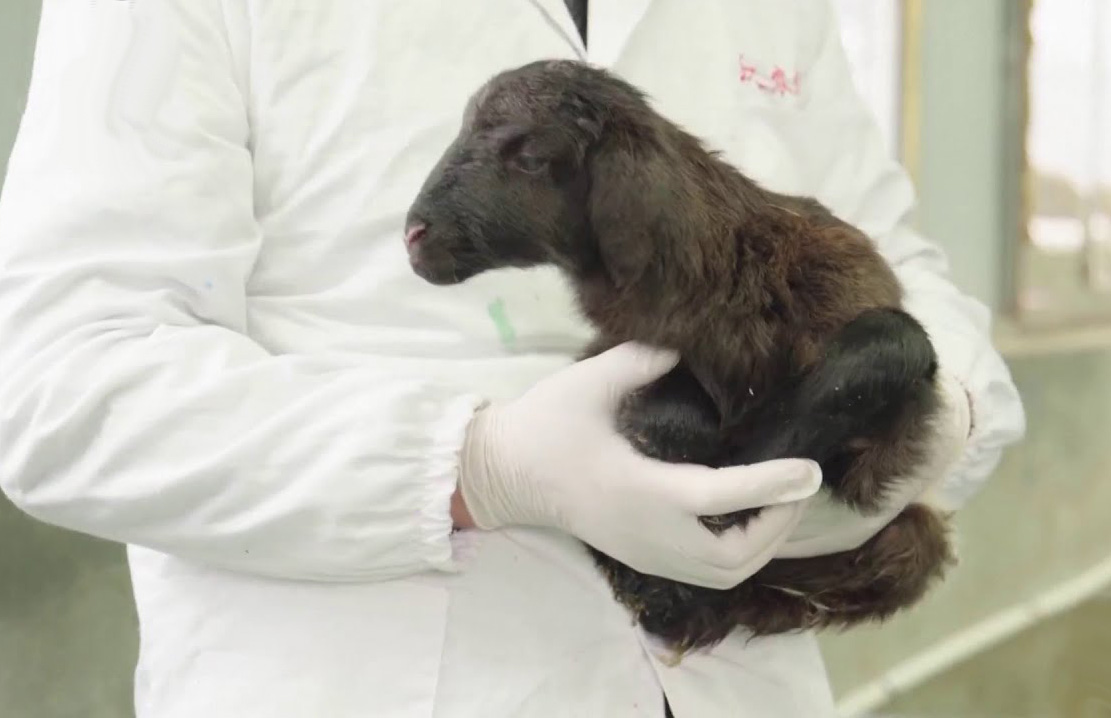
Cloning goats has evolved from a groundbreaking molecular biology experiment into a vital commercial tool for agriculture, medicine, and species conservation. While Dolly the sheep famously dominated global headlines in 1997, goats quickly followed as ideal candidates for somatic cell nuclear transfer (SCNT) due to their shorter gestation periods, resilience, and high productivity. Today, scientists lean heavily on caprine cloning to address global food security, manufacture complex human pharmaceuticals, and protect fragile ecosystems.
Primary Applications of Caprine CloningBiopharmaceuticals ("Pharmers"): In 1999, researchers successfully cloned the world's first transgenic goats engineered to secrete Antithrombin III into their milk. This complex protein treats human stroke and heart attack victims, bypassing expensive and low-yield traditional blood-pooling methods.
Agricultural Optimization: Mass-cloning allows farmers to replicate genetic "super-producers" without the unpredictable genetic mixing of natural breeding. For instance, Chinese agricultural scientists executed the first batch-cloning of super high-yield dairy goats from elite Saanen donors. These clones boast an individual milk genetic potential exceeding 2,800 kg per year alongside heightened disease resistance.
High-Value Husbandry: Beyond milk, cloning scales up the production of premium textiles. Cloning programs reproduce cashmere and pashmina goats featuring ultra-fine fibers (under 13.8 micrometers thick) to preserve elite wool-producing lineages.
Conservation & De-extinction: Cloning offers a lifeline to disappearing species. Famously, scientists utilized cross-species cloning to briefly resurrect the extinct Bucardo (Pyrenean ibex) using a domestic goat surrogate. More recently, researchers successfully cloned Tibetan Plateau goats to prevent genetic degeneration and maintain livestock adaptability in harsh, high-altitude climates.
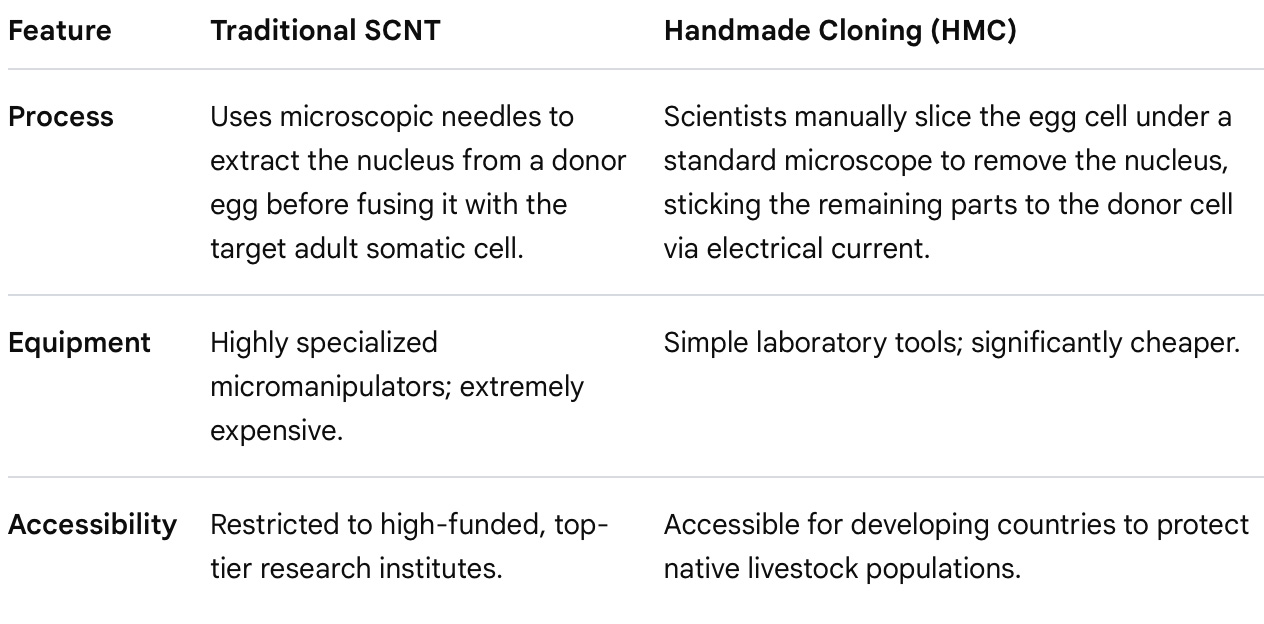
Remaining Frontiers and BottlenecksDespite major breakthroughs—such as achieving entirely natural, complication-free surrogate births during batch cloning the science faces distinct hurdles. Caprine cloning efficiency still requires careful selection, as the source of the somatic cells profoundly impacts embryo development. Researchers continue to refine the specialized nutrient media used to cultivate embryos to drive down high failure and miscarriage rates.
Montreal scientists clone goats to create silk from milk April 28, 1999 - Toronto - CBC News
The Montreal-based company Nexia Biotechnologies achieved a major scientific milestone in the late 1990s by producing the world's first cloned triplet goats. Born in April 1999 at McGill University's Macdonald Campus, the three identical males were named Danny, Clint, and Arnold.
The triplets were cloned using the somatic cell nuclear transfer (SCNT) method - the same technique that produced Dolly the sheep. Nexia's goal was to introduce spider-silk genes into the goats so that the animals would secrete a man-made, high-strength spider silk protein called BioSteel in their milk. The company hoped to eventually use this revolutionary material for commercial biomedical applications like artificial tendons, tissue repair, and medical sutures.
Although Nexia Biotechnologies ultimately dissolved and did not achieve large-scale commercial production, the milestone established McGill University as a pioneer in livestock cloning technology.